The Geology of Brand
By Kathy (Grunditz) Binkley
AI has quickly become part of the everyday workflow. It drafts content, summarizes research, brainstorms ideas, and accelerates processes that once took hours. For organizations under constant pressure to do more with less, the appeal is obvious.
But amid the excitement around speed and efficiency, an important question is often overlooked: What happens when the humans responsible for maintaining and validating information begin to disappear from the process?
If we remove human judgment from content systems, we don’t gain efficiency. We create risk.
The conversation around AI often focuses on what the technology can do. It can analyze massive amounts of information, identify patterns, and generate content at a scale no human can match.
What it can’t do is determine whether information is true.
Even though AI doesn’t have a plan to mislead you, it does have something arguably worse — a complete indifference to the truth.
AI works from the information it is given. It can synthesize, summarize, and generate, but it cannot independently verify whether something is accurate, outdated, incomplete, or missing critical context.
At first glance, an AI mistake may seem harmless. An incorrect date or a misattributed quote rarely causes lasting damage.
But AI is no longer being used only for low-stakes tasks.
Today, it influences decisions involving healthcare, financial assistance, legal guidance, safety information, and other areas where accuracy directly affects people’s lives.
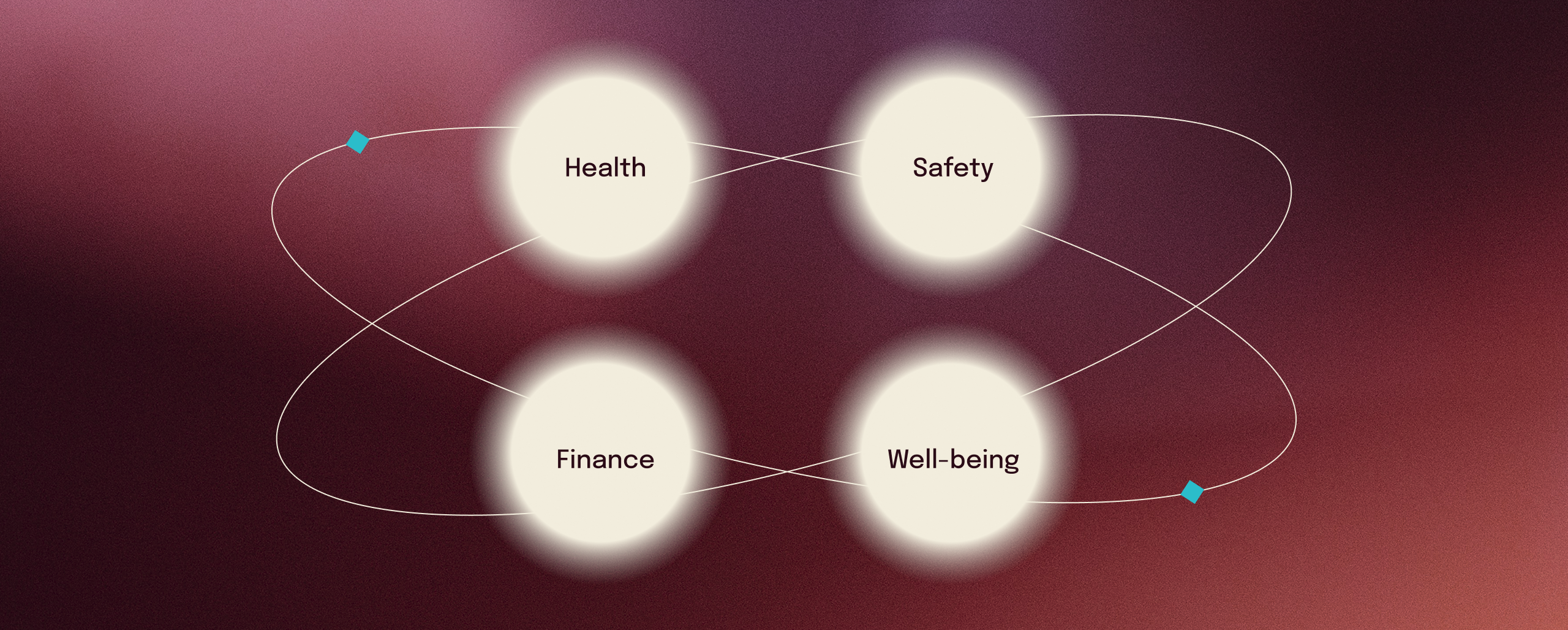
As organizations reduce human oversight, content can quickly become outdated. Regulations change. Programs evolve. Eligibility requirements shift. When those updates aren’t reflected in source content, AI systems continue relying on old information.
The result is often unintentional, but still harmful.
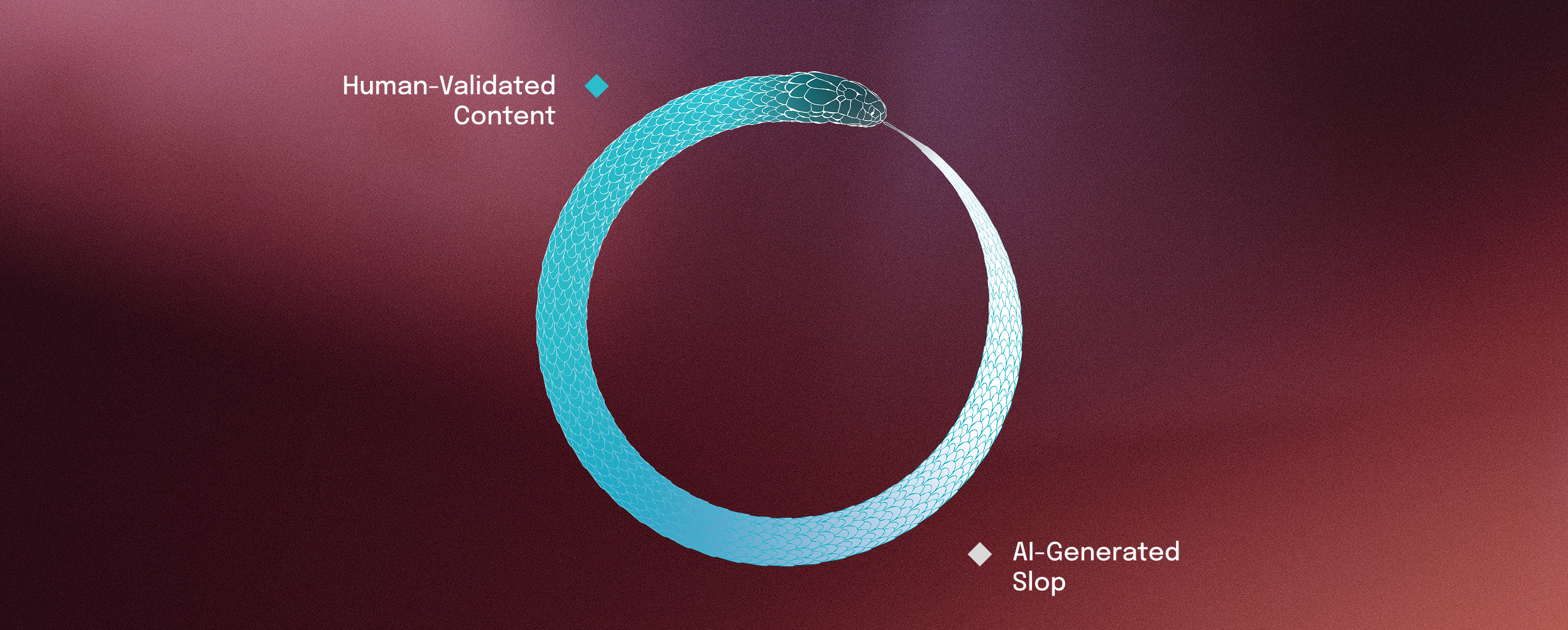
This cycle is described as knowledge decay.
Content becomes stale. AI systems pull from outdated information. Those outputs reinforce future inaccuracies, which spread across channels and systems over time.
The issue is often framed as a technology problem, but, instead, it is a governance problem.
If organizations fail to maintain their content, AI simply amplifies those failures.
This is why content teams remain essential.
Their role extends far beyond publishing webpages and creating content. They ensure information is accurate, timely, properly sourced, and reviewed when circumstances change.
The work of content professionals, “the human firewall,” includes auditing content, managing content lifecycles, validating information against real-world changes, and identifying uncertainty before it becomes misinformation.
Content professionals don’t just create and publish content — they sustain trust.
This conversation doesn’t end with factual accuracy.
Brands also depend on emotional truth: the authenticity, clarity, and transparency that help audiences trust not only the information being shared, but the organization behind it.
AI can imitate a brand voice. It can learn patterns and generate content that sounds authentic. But it cannot genuinely understand a company’s values, experiences, or relationships with its audience. Those elements still require human judgment, empathy, and accountability.
Your brand story is yours. Do you really want to risk AI getting it wrong?
Therefore, removing the human layer may appear to create efficiency, but it often shifts risk onto the very people organizations are trying to serve.
Only humans can detect when something feels wrong, understand nuance, intent, and consequence, and be accountable when trust is broken.
The future of content will almost certainly be AI-assisted. But the integrity of outputs will always depend on the integrity of inputs — and on the people who remain committed to maintaining them.
The perspectives shared here originate from Min Shepherd’s Assembly 2026 presentation. To hear the complete conversation, watch the session, linked below.
Photo Credit: Jakub Zerdzicki | Unsplash
Min is One North’s Director of Content Strategy, where she helps clients create content experiences that drive engagement, support decision-making, and accelerate business growth. With deep expertise in enterprise content, governance, taxonomy, and digital experience strategy, Min partners with organizations to bring clarity to complex ecosystems and transform content into a strategic business asset. She is passionate about elevating the craft of content strategy and empowering teams to create work that is both impactful and meaningful.